At the end of March, NBC Washington meteorologist Doug Kammerer went live on the air around 8:45 p.m. local time to share new tornado warnings issued for the area—including a path that went right over his house.
Kammerer paused briefly to call his own family when his son answered, all on-air.
Intense anxiety is expected in a crisis, and even trained disaster and first responder professionals can lose sight of what’s happening when their own family is involved.
This brings up a question more of us in the safety and preparedness industry should understand: What is our personal disaster plan?
Like most people who do something for a living, doing more of that in the evenings or weekends is exhausting. But we know how critical it is for the safety of ourselves and others.
VPC Senior Consultant Carey Slauter recently asked a group of several hundred Basic Disaster Life Support trainees: “What’s your own plan? Do you have a food supply? A water supply? Sometimes we’re so busy doing our jobs we forget to set designated meeting points and plans for our families.”
Creating a personal disaster plan when you create them for a living
Our industry functions with checklists, after-action reports, and plans. Use this to create your own family disaster preparedness plan:
- Ensure at least one other person in your immediate family or household knows first aid and CPR. If you’re the only person trained and you’re called away or incapacitated, someone else may need to help you.
- Create a “go bag” in a safe place in your home. For most of us in the Midwest, that’s likely a basement or closet near your tornado shelter. Make sure everything in the kit can last 72 hours. Include:
- Batteries
- A radio
- Extra phone chargers and/or battery packs to charge phones
- Water and non-perishable food for adults, any young children, and pets
- Flashlights
- A first aid kit
- And if you have little children, maybe a few small toys to keep them occupied.
Make sure you check everything when you check your smoke detector batteries to ensure everything is still in their serviceable life. You can also place some items in a fireproof safe if you have one with space. Just make sure more than one person knows the combination.
- Put a “get home bag” in the back of your car or truck, and ensure every other vehicle in your family is similarly equipped. Include food, water, extra clothing, chargers, a flashlight, jumper cables, first aid, and shovels or digging equipment in case the vehicle gets stuck.
- Make sure everyone who drives or has access to either of these kits knows how to use them.
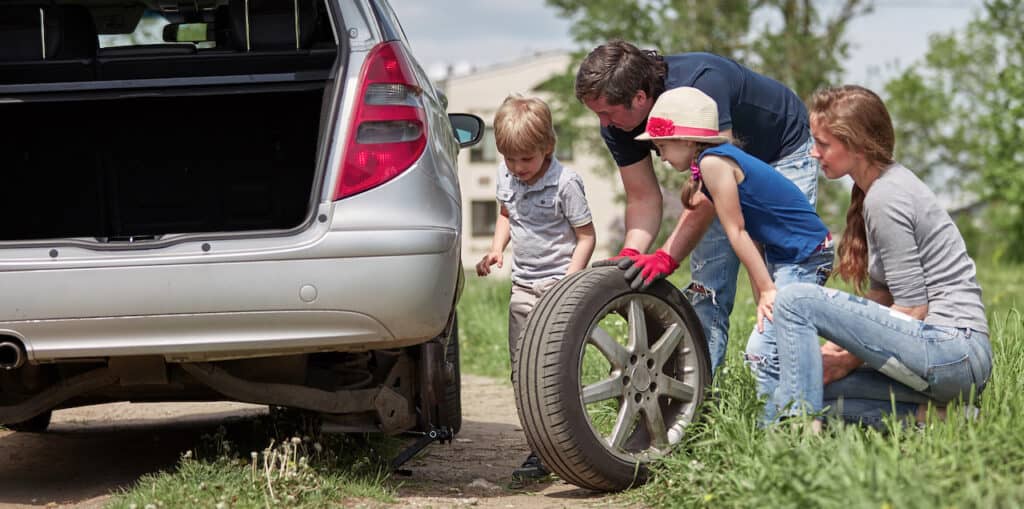
- Can they change a tire?
- Do they have the resourcefulness to find gravel or dirt to put under a tire stuck in snow?
- Do they know how to hook up and operate the jumper cables?
- Can they tie a tourniquet?
- Make sure everyone in your house knows how to shut off and operate utilities:
- The water lines, including toilets and sink shut off valves
- Water heater
- Gas lines
- Electrical junction boxes or breakers
- If possible in a basement or secure location that might survive a tornado, fire, or flood, stockpile enough food and water that can last for two weeks. That’s about 14 gallons of water for each person, or a gallon a day. The most likely scenario is a blizzard prohibiting movement, particularly in rural areas. And make sure you have a way to open cans without an electric can opener.
- Where possible and weather-permitting, place some materials in multiple locations. For instance, flashlights in the basement and a detached garage mean they’re accessible in two buildings should one become severely damaged or inaccessible.
Remind, plan, and prepare your family:
- Where to go or who to call in the event of a disaster. After a tornado or fire, this is likely a driveway or the entrance to a neighborhood. But floods, blizzards, earthquakes, wildfires, or prolonged power outages may require going to another shelter, such as a relative in another county.
- Who else to check on, such as a grandparent or neighbor.
- Know your neighbor’s phone number.
- Have other phone numbers, such as for family members, written down. Assume everyone’s phone battery has died and can’t be relied on for address books, lookups, weather information, traffic, texts, calls, maps, or flashlights.
Quiz each other from time to time on the plan, ensuring somebody doesn’t forget important details.
Further, you should practice drills—often in the middle of the night when the danger to “sleep through” disasters is highest. Floods, tornadoes, and fires at night are significantly more deadly. And deadlier still once people ill-prepared and underdressed stumble across debris or dangers without shoes or outside where exposed nails, downed power lines, or extreme rain and cold may present new risks.
Drilling, quizzing, and planning to this extent may seem like overkill for many families. And it may solicit eye rolls from many of your family members. But kids are used to fire, tornado, earthquake, and lockdown drills at school. Doing them at home will reduce normalcy bias that may overtake them in a supposedly comfortable, safe environment like their home.
Disaster professionals know the risks when people are unprepared. We also know that, like our work, we’re only as good as our preparation. Don’t just commit to doing these things, actually do them. It can save your life and the lives of the people closest to you.