This is probably not explicitly detailed in any Airport Emergency Plan

United flight 236 from Newark to Palma de Mallorca (located on an island off Spain) had to turn around in late May an hour after take off because the flight crew noticed a Bluetooth speaker named a ‘certain four letter word’.
It wasn’t detailed to be “bomb”, but it sounds like some passenger had at least one Bluetooth speaker named something like “The Bomb” and it was left broadcasting. Or, a device like the JBL WonderBoom speaker may have retained its default device name, containing the word “Boom”.
Several passengers took to Reddit to report on the incident, saying crew remarked “This little joke is ruining it for everyone.”
Air Traffic Control chatter recorded:
“There’s a security detail out there. Someone had a Bluetooth speaker, and they named it a certain four-letter word. So they have to inspect the whole aircraft, including the cargo area, and the passengers have to evacuate.”
Bluetooth can be used to detonate devices, as Israeli forces have been known to do, so the risk isn’t without background. Still, pilots have wide latitude in determining threat risks and when to make emergency landings, and this pilot decided to head back to land.
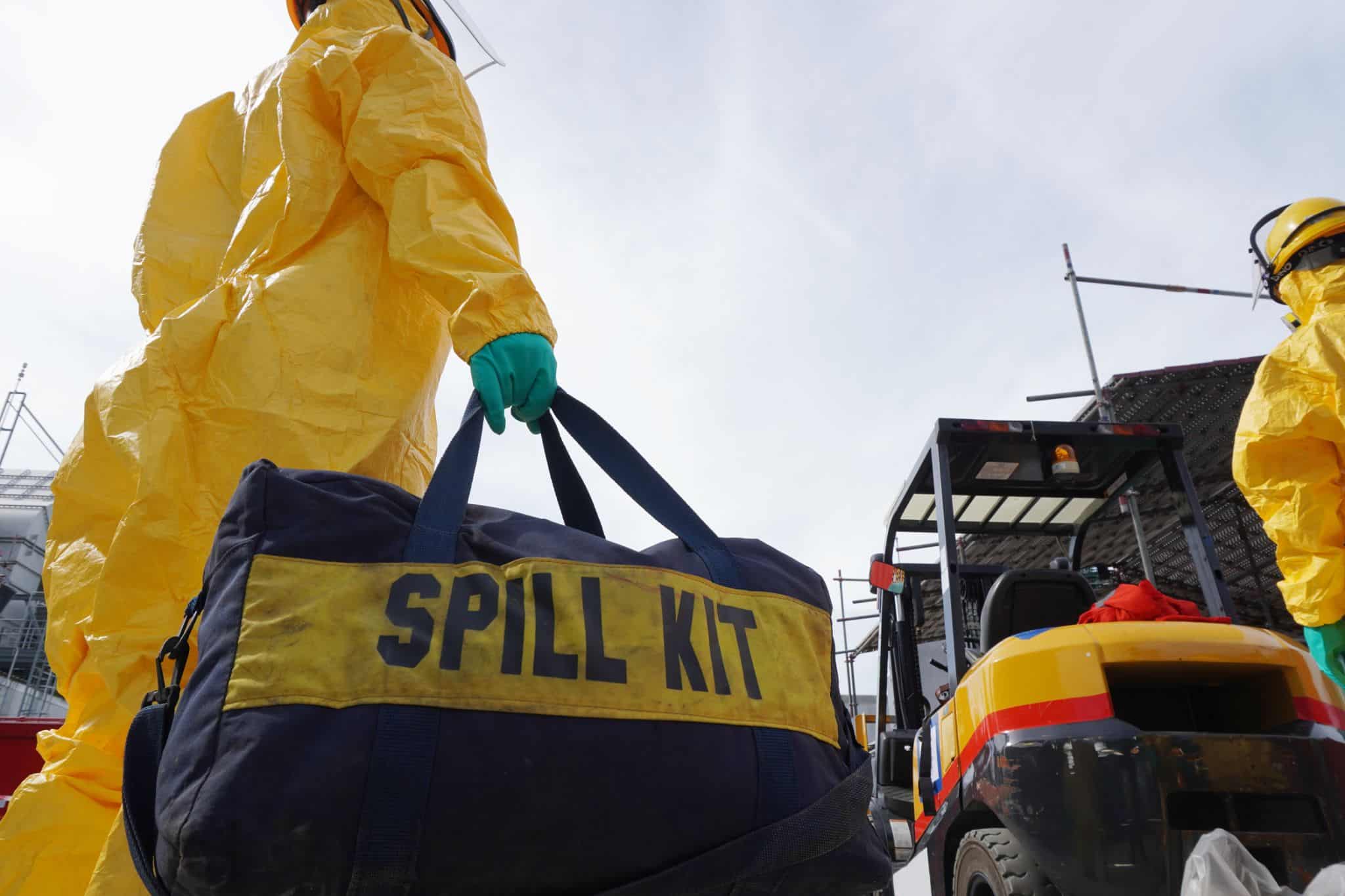
Airports, for their part, are required by FAA Part 139 to have and maintain an Airport Emergency Plan (AEP) that addresses aircraft incidents and accidents, bomb incidents, structural fires, fuel fires and spills, natural disasters, hazardous materials or dangerous goods incidents, sabotage, hijacking, unlawful interference, power failures, and water rescue where applicable.
But these only apply to airports with commercial traffic.
To get a sense of scale about how airports there are in the United States, look at Indiana, with over 140 airports, air fields, and landing strips. These range from cargo hubs at IND to landing strips for hobbyist flyers in remote rural fields. Only the commercial airports have to have AEPs, which are just five:
- Indianapolis International
- Fort Wayne International
- South Bend International
- Evansville Regional
- Purdue University Airport in West Lafayette has recently returned to scheduled commercial passenger service.
There are discussions in Hamilton County to provide international service at the small airport in Fishers, which may require future plan adjustments since that airport is part of the Indianapolis International Airport Authority.
Airport incidents are generally low-frequency, but they are high-consequence events with intense time pressure. For passengers aboard United 236, they likely either felt annoyance at a delayed vacation, confusion about what the problem could have been if it was their device stowed away, or outright fear.
What would you do if you were the pilot?
Imagine you’re the pilot. Let’s assume the Bluetooth device is, in fact, a JBL WonderBoom and it says “JBL WonderBoom” as its device name. Would you return to land? Proceed forward? Or request an inspection of bags and devices in the cabin?
And if you’re on the ground and the decision is made to land, can you think of all the things necessary for a potentially real and dangerous emergency?
"*" indicates required fields
When a pilot makes the decision to land, a cascade of events occur on the ground. Some are probably routine, like notifying airport fire and police. But the AEP details passenger tracking, triage, fatality management, crisis communications, and air traffic control. Fire, EMS, and police will need to test procedures

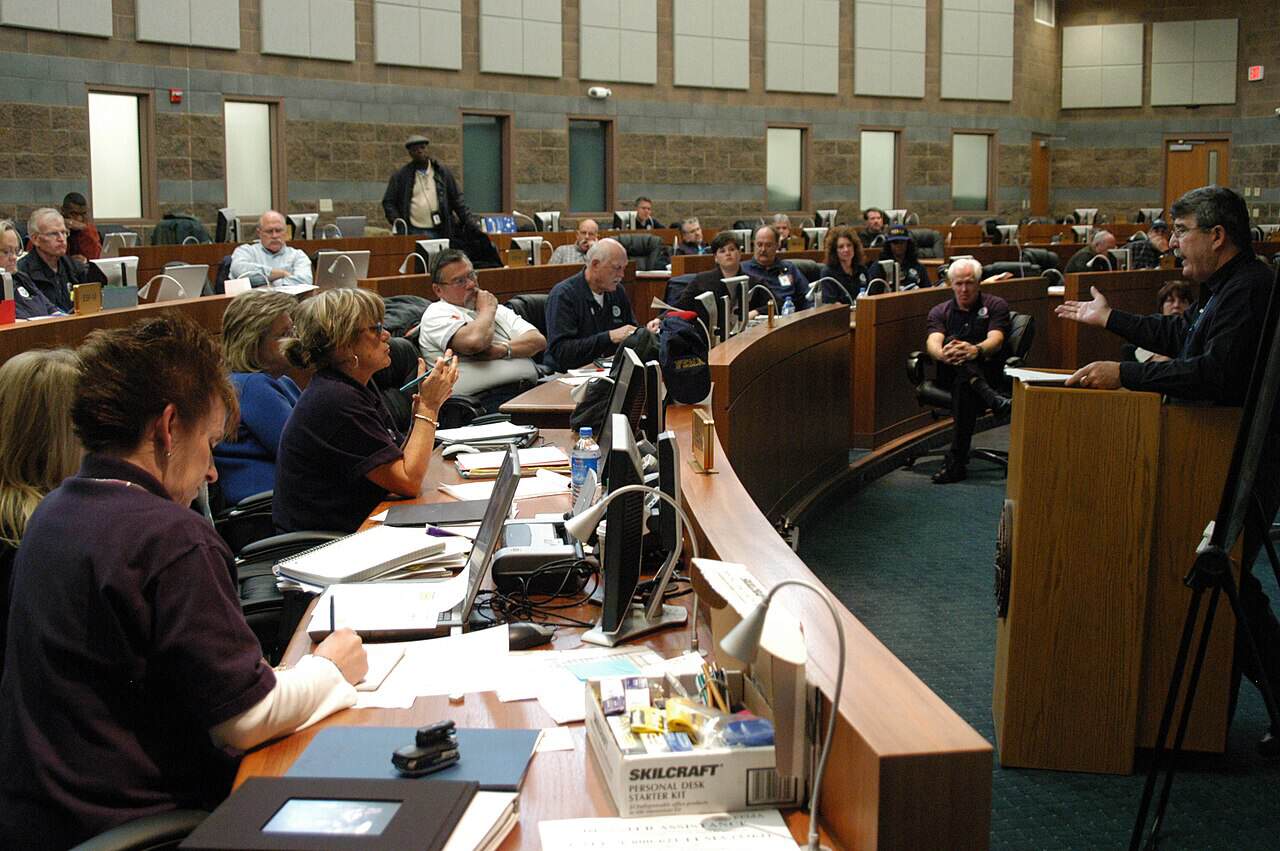
Partners have to train together and work together. In addition to on-the-ground, front-line responders, there are more partners beyond the acll. For hospitals, that may mean reviewing surge, triage, patient tracking, family reunification, fatality management, decontamination, and crisis communications assumptions. For fire, EMS, and hazmat teams, it may mean validating response routes, staging areas, command integration, communications interoperability, and dangerous goods procedures. For local emergency management, it may mean testing the connection between the Airport Emergency Plan, local EOP, mass casualty plans, public information procedures, and continuity plans.
Like with any of our exercises and HazMat plans and drills, it’s not assumed that every agency or organization named in a plan understands its role. In fact, our experience is many departments and agencies assume a lot of work is “someone else’s jurisdiction.” That’s the point of the plan reviews, to ensure everyone has trained for that role, has exercised with other agencies, and will be standing by each other during a real event.
How would an organization not understand their role? Gray area emerges in any complex situation. For instance, who is responsible for briefing the media if a plane has a fire emergency? The airport authority? The fire department? Who is responsible for notifying families? And when does the FAA or federal authority take over?
Plans matter, and VPC helps write a lot of them for counties, hospitals, cities, towns, states, health departments, and others, including Mutli-hazard Mitigation Plans and Continuity of Operations plans for businesses and healthcare.
But plans are not the same as readiness. Readiness requires training, coordination, exercises, after-action improvement, and an honest look at the handoffs between agencies. A plan can say “notify local hospitals.” An exercise reveals whether the right people are notified, how quickly they are notified, what information they receive, and whether they know what to do next.